 Maritime Monster All Jobs Moored Here
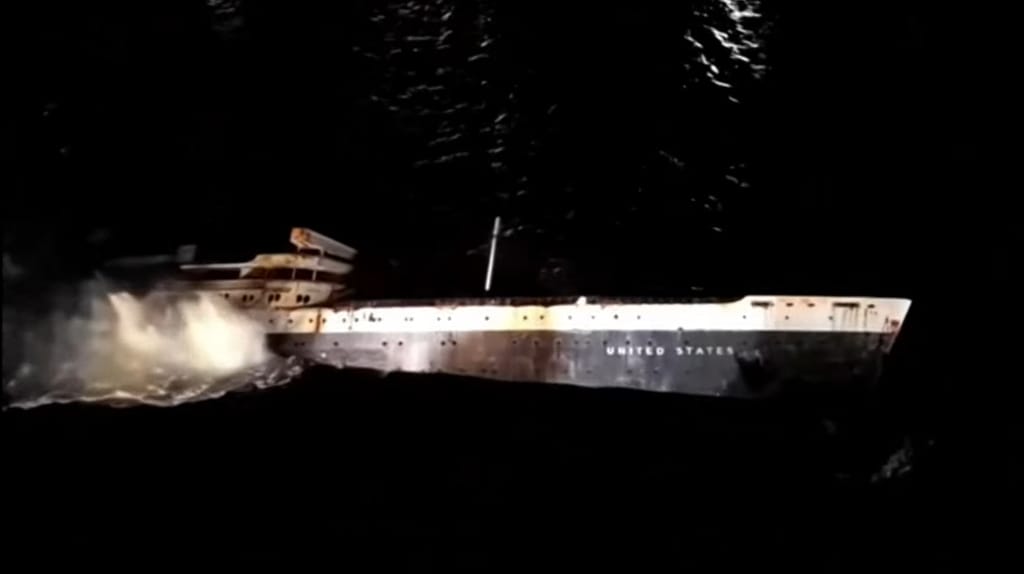
As a marine ecologist and keen scuba diver, I’ve long been fascinated by what happens when a large structure is introduced to the sea. Within hours, microscopic organisms begin colonising its surfaces, forming a thin biological layer. Over the following months and years, barnacles, mussels, sponges and other marine life become established, creating a new habitat that attracts fish and a diverse range of species.As the years went by, commercial jetliners superseded transatlantic sea travel, and the vessel was retired and neglected for decades. Rather than facing the ignominy of a breaker’s yard, the legendary ship was bought by Okaloosa County, Florida, to turn it into a diving attraction.
This week, one of the world’s most famous ocean liners, the SS United States, was sunk off the coast of Florida. At 302 meters long, it has become the world’s largest artificial reef. It is a very exciting prospect to one day dive on such a giant, and to see how it changes as marine life makes it home.The SS United States is a particularly enormous structure to introduce to the seabed – longer even than the Titanic. It will rest in around 55 meters of water, with its upper sections rising to within about 17 metres of the surface. This will create habitats at different depths, making it an unusually varied site for both wildlife and divers of different abilities.
So what do we expect to happen? Here’s a suggested ecological succession pattern, month-by-month.
FULL ARTICLE AVAILABLE HERE: maritime-executive.com