 Maritime Monster All Jobs Moored Here
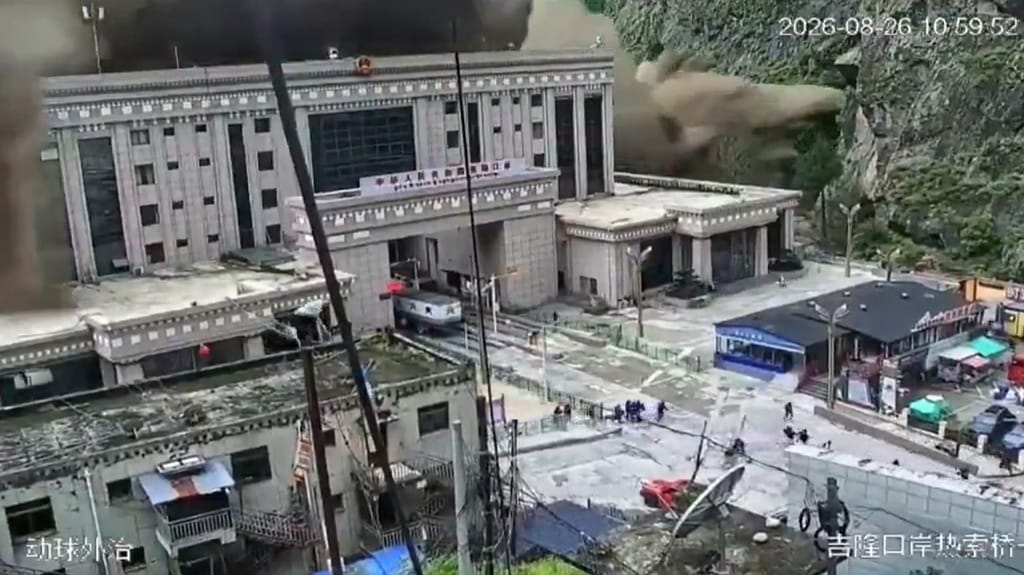
At least 1,455 people are confirmed dead following the flood disaster in Nepal on 26 August. Over 5,000 more are missing. Fourteen power stations and 38 schools were completely or partially destroyed, while 68 bridges and 42 kilometers of roadway were washed away.Egli is an expert in geophysics and glacier hydrology. He works on numerous international projects concerning natural hazards and water resources related to permafrost, snowmelt, and glaciers.
Staggering scaleResearcher friend lost his entire village
The NTNU researcher has conducted fieldwork in the region on several occasions. He has also visited the area in Nepal that has been hardest hit. A friend and fellow researcher, who currently works abroad, is from a village that has been completely wiped out by the mudflow.
FULL ARTICLE AVAILABLE HERE: maritime-executive.com