Maritime Monster All Jobs Moored Here
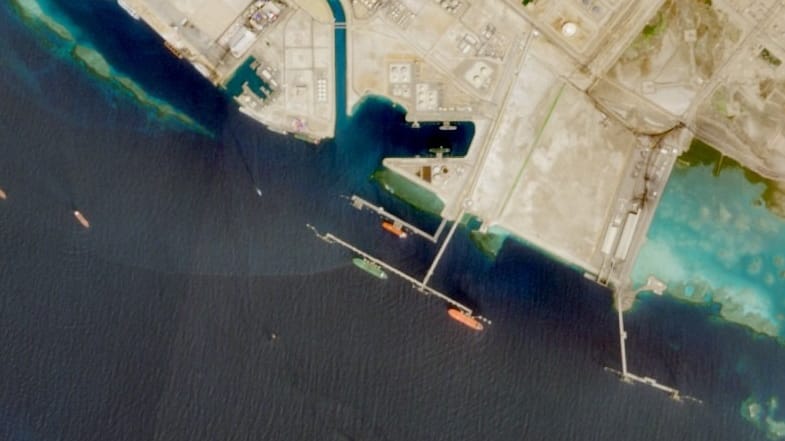
Operations at Saudi Arabia’s Red Sea loading terminals have rebounded more swiftly than expected, according to a new analysis from Kpler. The consultancy found that with the East-West Pipeline restored to service, loadings from the two main Aramco terminals on the Red Sea came in at about 45 million barrels in total from September 17 through October 4 – an average of about 2.5 million barrels per day over the period.
Tstrong showing reflects Aramco’s ability to rapidly circumvent or repair damaged pumping stations on the pipeline route. Three stations were hit in a suspected Iraqi militia strike on September 11, temporarily disabling the line. But the line was reactivated in less than a week, and flows are already back up to 5.8 million barrels per day, Saudi Energy Minister Prince Abdulaziz bin Salman told an audience at the Energy Intelligence Forum, per Kpler Mideast chief Amena Bakr. This volume approaches the 7 million bpd average that Aramco sustained in the months prior to the attack, and it would be sufficient to supply Saudi Red Sea refineries and export terminals alike.
Iran has substantially accelerated its campaign of attacks on energy shipping in the strait, and has hit 12 tankers and gas carriers in the last seven days alone. Still, despite the deteriorating security environment, tanker operators have been moving about 10-14 million bpd of petroleum out of the Strait of Hormuz alone in recent days, Vitol CEO Russell Hardy said at the EI Forum on Tuesday. That supply is critical for pricing, he said. “Without it, you do have that $200 per barrel scenario,” he told Reuters.
FULL ARTICLE AVAILABLE HERE: maritime-executive.com